
Medically reviewed by Dr. Nam Bui, DDS · Glo Dental Studio, Orange, CA
Almost every patient asks the same question before full-arch surgery, and it is rarely about the implants themselves. It is how long will I be out of action? You are picturing a month of hiding at home with no teeth, and that picture is out of date.
Here is what All-on-4 recovery actually looks like, from the morning of surgery to the day your permanent teeth go in.
The short answer
- Surgery day: failing teeth come out, implants go in, and you leave the same visit with a fixed set of temporary teeth.
- Days 1 to 3: swelling and bruising build, peak around 48 to 72 hours, then start to fade.
- About 2 days: most of our patients are back at work.
- Weeks 1 to 2: soft diet, gum tissue closes, and we see you for a two-week check.
- Months 1 to 3: the quiet part, where bone locks onto the implants.
- Around 3 months: we design your permanent smile, and the zirconia arch is delivered a few weeks later.
That shape is the same whether you are restoring one arch or both. You can see the appointment-by-appointment version on our process page.
Surgery day: you go home with teeth
The procedure is done in one visit under IV sedation, so the day itself is not something you experience minute by minute. We remove the failing teeth, place the implants at angles that use the densest available bone, and attach a fixed temporary arch on top of them.

That temporary is screwed into place. It does not come out at night, it is not a denture, and it is what lets you walk out with a smile the same day. When you see the phrase new smile in 24 hours, this is what it refers to: the temporary prosthesis delivered on the day of surgery, not the final zirconia teeth.
You will need someone to drive you home, and the rest of that day belongs to the couch. Take the first dose of your medication before the anesthetic wears off rather than waiting for pain to arrive.
The first 72 hours: the part people remember
Swelling is not a complication, it is the healing response. It builds for two to three days, peaks, and then drops away noticeably. Bruising along the jaw and cheeks is normal and can travel down the neck before it clears.
Do: use ice 20 minutes on and 20 minutes off for the first day or two, sleep with your head elevated on an extra pillow, keep to cool soft foods, take medication on schedule, and start the rinses exactly when your post-op sheet says to.
Avoid: straws, forceful spitting, smoking or vaping, alcohol, and strenuous exercise. Do not poke at the surgical sites with your tongue or a finger.
Of everything on that list, smoking matters most. Nicotine narrows the blood vessels feeding the healing bone, and it is the single biggest controllable reason implants struggle to integrate.
Weeks 1 and 2: soft food and steady progress
You will be on a no-chew diet: protein shakes, eggs, soup, yogurt, mashed and blended foods. It is duller than it is painful. Drink more water than you think you need, because the medication and the mouth breathing will dry you out.
Hygiene is simple but non-negotiable. Keep the temporary arch and the gum line around it clean with a soft brush and whatever rinse we prescribe. Debris trapped under a fixed temporary is one of the few things that can turn a smooth recovery into an inflamed one.
Speech feels odd for a few days while your tongue learns a new palate shape, and it corrects itself faster if you read out loud rather than talk less.
At the two-week visit we check how the implants are integrating, how the tissue is closing, and how the bite feels now that the swelling is gone.
Weeks 3 to 12: quiet healing
This is the stretch where nothing appears to happen and the most important thing is happening. Bone grows onto the implant surface and grips it, a process called osseointegration. You feel normal, which is exactly why people get into trouble here.
The temporary arch is designed to protect the implants while that bond forms, not to be tested. Stay off ice, nuts, crusty bread, hard candy, tough steak and anything you would describe as chewy. Exercise comes back gradually over the first few weeks. If you grind your teeth, wear the night guard, every night.
Around month 3: designing the permanent smile
Once the implants are integrated, we take new records and design the final teeth with you: shape, shade, length, how much tooth shows when you smile. You get to see and approve it before anything is milled.
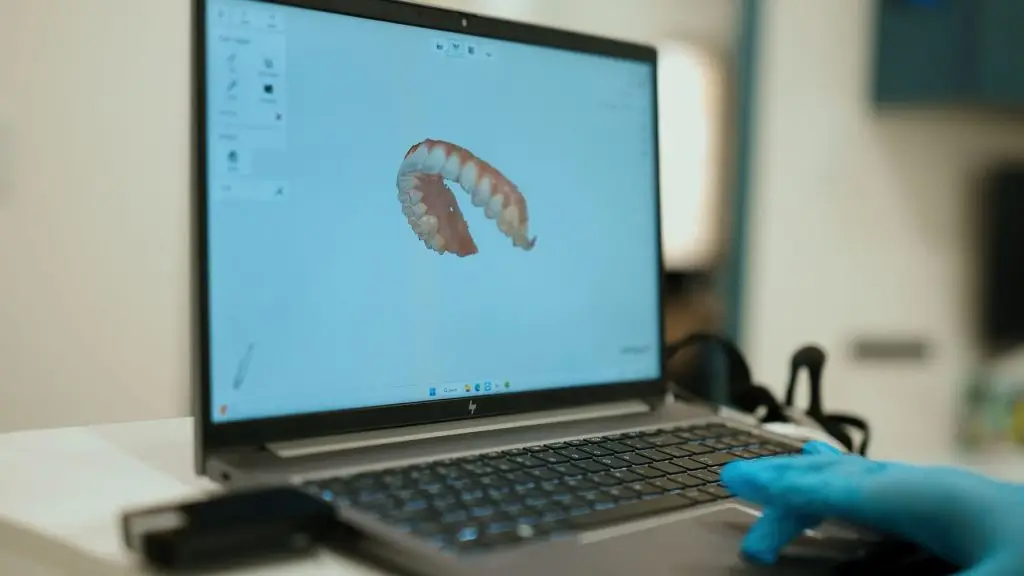
The permanent arch is milled from solid zirconia in our own lab, which is why revisions here take days rather than the weeks a mail-out lab would need. It is delivered a few weeks after the design appointment, and that visit is the end of the treatment timeline.
What makes recovery take longer
- Smoking or vaping during the healing window.
- Uncontrolled diabetes or blood sugar that swings widely.
- Grinding and clenching without a night guard.
- Extensive bone grafting done at the same time as the implants, which adds its own healing period.
- Cheating the soft-food window, which is the most common one by a distance.
- Skipping follow-up visits, including the yearly checks that keep the warranty and the result intact.
When to call us rather than wait it out
- Pain that increases after day three instead of easing.
- Swelling that grows after 72 hours, or a fever.
- A bad taste, discharge, or a smell coming from a surgical site.
- Bleeding that firm pressure does not settle.
- A temporary arch that feels loose, clicks, or sits differently in your bite.
- Numbness in the lip or chin that is still there long after the anesthetic should have worn off.
None of those are emergencies you should ride out over a weekend. Call (714) 602-5557, and if it is out of hours our emergency dentistry page tells you what to do first.
All-on-4 recovery: common questions
How long do I need off work?
Most patients are back in about two days. Desk work is often comfortable sooner than that, and physical or outdoor work is worth planning a full week around, mostly because of the lifting and the heat rather than the mouth.
Will I be without teeth at any point?
No. The fixed temporary arch goes on the implants during the same surgery, so you never leave the office without teeth.
When can I eat normally again?
Soft food for the first couple of weeks, then softer-than-usual food through the integration period. Full, unrestricted chewing comes with the permanent zirconia arch at around three to four months.
Does it hurt?
Not during the procedure, which is done under IV sedation. Afterwards, expect soreness that peaks with the swelling at two to three days and is managed with the medication we send you home with. Patients consistently report it as less than they expected, particularly compared with the toothaches that brought them in.
How long until the permanent teeth?
About three to four months from surgery for most people: three months of integration, then the design appointment and delivery a few weeks later. Extensive grafting can extend that.
Can I travel or fly during recovery?
Short trips are usually fine once you are past the first week and have been checked, but tell us your dates before surgery so we can schedule the two-week and design visits around them.
Planning your own timeline
If you are working out whether this fits around a job, a wedding or a holiday, the honest answer is that the surgery is the easy part to schedule and the three-month integration is what sets the total length.
Read more about All-on-4 dental implants, see what is included in the all-inclusive price, or book a consultation and we will map the dates against your calendar.